Understanding the psychological triggers that keep gamblers returning to the table
The Allure of Winning: The Gambler’s High
The thrill of gambling often stems from the euphoric feeling known as the “gambler’s high,” which occurs when a player wins. This sensation can create a powerful emotional response, encouraging individuals to chase that initial success. The brain releases dopamine, a neurotransmitter associated with pleasure, making the experience intoxicating. Even a small win can trigger this reaction, leading gamblers to believe that luck is just around the corner. Furthermore, for those who seek something entertaining to complement their experiences, trying out the best casino online real money provides a convenient option.
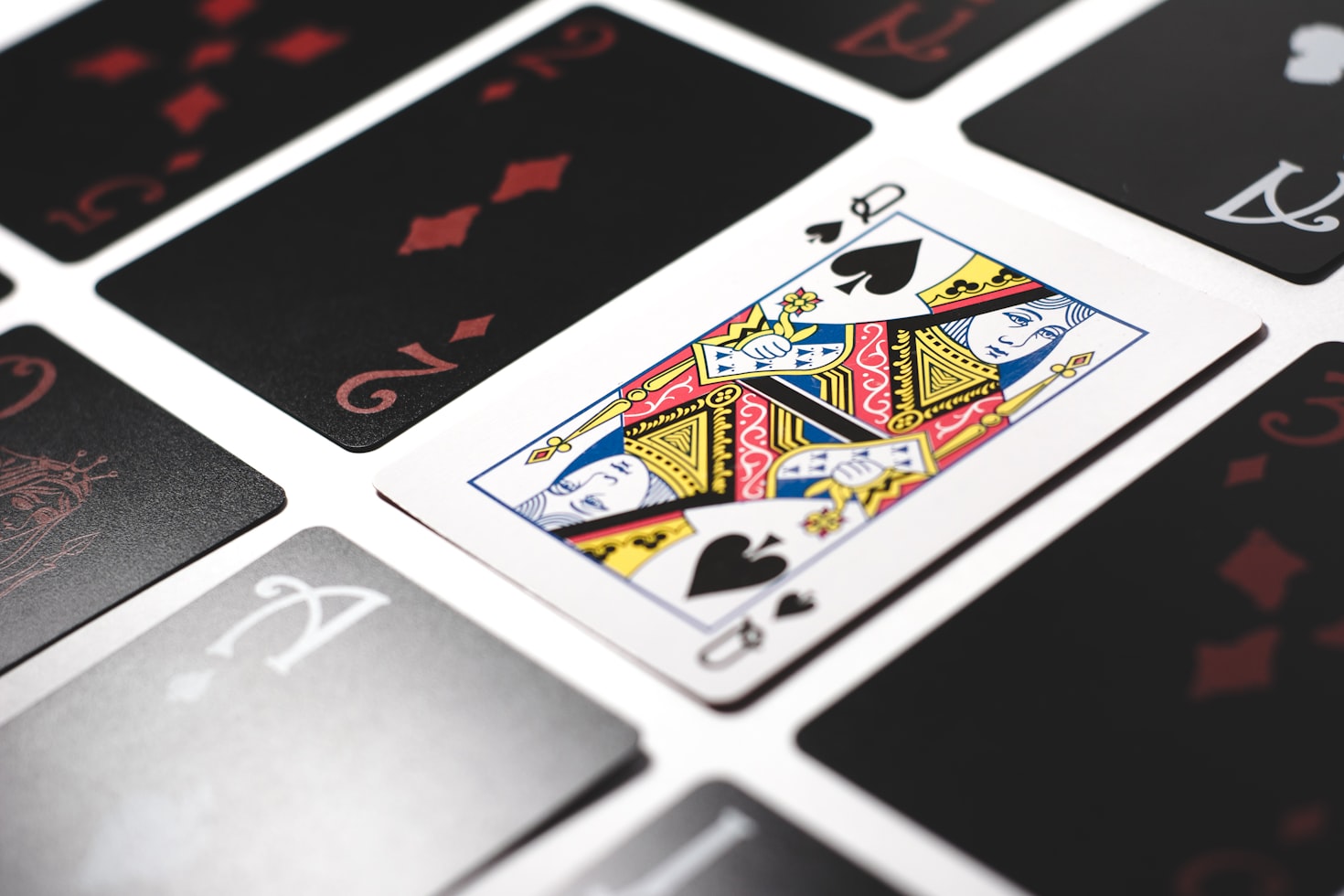
However, this emotional high can also skew a gambler’s perception of reality. Many may focus solely on their victories, ignoring the times they lost. This selective memory can reinforce the desire to return to the gambling table, as the thrill of winning overshadows the financial risks involved.
The Role of Cognitive Biases in Gambling
Cognitive biases play a significant role in maintaining gambling habits. One common bias is the illusion of control, where players believe they can influence the outcome of a game through their choices. For example, a poker player might feel that their skills can outsmart opponents, leading to increased betting and more time at the table. This mindset can create an overconfidence that keeps them engaged, despite the underlying randomness of the game.
Additionally, the gambler’s fallacy contributes to this cycle. Many gamblers hold the mistaken belief that past events influence future outcomes, such as thinking that a slot machine is “due” for a win after several losses. This flawed reasoning can lead to repeated play in hopes of eventual success, drawing gamblers back for more.
The Social Aspect of Gambling
The social environment of gambling establishments can also be a significant trigger. Many gamblers enjoy the camaraderie that comes with playing in groups, whether it’s at a casino or online. The communal aspect of sharing experiences, celebrating wins, and commiserating over losses can create a sense of belonging that encourages players to return. This social interaction can be as addictive as the gambling itself.
Moreover, online platforms have transformed how social connections are formed within gambling. Virtual chat rooms and interactive games allow players to engage with others from the comfort of their homes. This accessibility can further reinforce gambling habits, as the social component becomes intertwined with the gaming experience.
Addiction and Escapism in Gambling
For some individuals, gambling serves as a form of escapism, offering an avenue to forget life’s stresses and challenges. The excitement and distraction provided by gambling can temporarily alleviate feelings of anxiety or depression. Unfortunately, this reliance on gambling as a coping mechanism can lead to compulsive behaviors and addiction.
Those seeking refuge in gambling may develop a pattern of returning to the tables as a way to deal with life’s pressures. This unhealthy cycle can escalate, making it increasingly difficult to break free. Understanding these psychological triggers is crucial for developing healthier coping strategies that do not involve gambling.

Judicial Selection and Gambling Awareness
As the conversation about gambling continues, it’s essential to consider the implications of judicial selection on regulations surrounding gambling practices. Striking a balance between personal freedom and public safety is vital in creating a responsible gambling environment. Judicial appointments play a crucial role in shaping policies that protect vulnerable populations while allowing for regulated gaming.
Informed citizens can engage more effectively in discussions about gambling legislation, understanding how psychological triggers impact individual behaviors. Comprehensive resources and information can empower individuals to navigate these complex issues, contributing to a healthier society that acknowledges both the allure and the risks associated with gambling.